A Look Inside a Casting Foundry: The Core of Metal Manufacturing
Within a casting foundry, operations take place that are vital to the manufacturing of metals. Melting furnaces transform alloys into liquid forms, while trained workers handle intricate molds. Automated systems serve a critical function, improving operational efficiency and environmental sustainability. Yet, the field faces significant hurdles that could affect its long-term outlook. Understanding these dynamics reveals more than just production; it illuminates a sophisticated balance of heritage techniques and cutting-edge solutions. What awaits for this essential field?
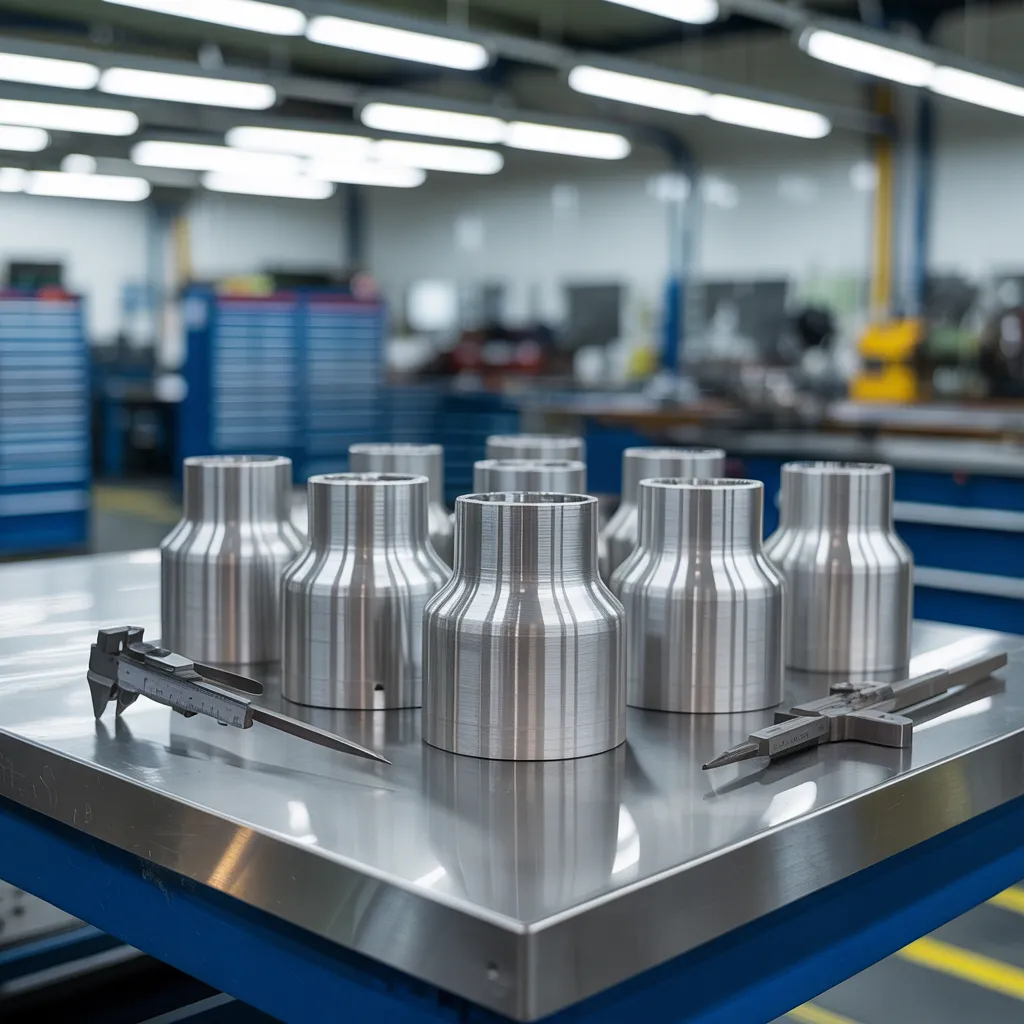
The Fundamentals of Metal Casting
Metal casting acts as a core process in industrial production, converting liquid metal into solid shapes. This technique has been employed for centuries, permitting artisans and manufacturers to craft components with complex shapes and accurate dimensions. The procedure starts with choosing appropriate metal alloys, which are subsequently melted at elevated temperatures.
Once molten, the metal is poured into molds created to form the final product. The molds used can be produced using several material types, including sand, metal, and ceramic, based on the required specifications and production volume.
After the metal cools and solidifies, the mold is removed, exposing the cast object. This technique offers considerable advantages, such as minimized material waste and the capacity to manufacture intricate geometries that would be difficult to accomplish through alternative manufacturing methods. Understanding these basics is crucial for grasping the significance of metal casting in contemporary manufacturing.
Key Processes in Metal Casting: Melting, Molding, and Refinement
The journey of metal casting unfolds through three critical processes: melting, shaping, and refinement. At the outset, metal is heated in a furnace until it achieves check this a liquid molten state, allowing for easier manipulation. The melting process is a critical step, as it defines the overall quality of the finished piece.
After this process, the melted metal is directed into forming molds, which mold it into particular shapes. The choice of molding material—whether ceramic, sand, or metal—affects the casting's surface texture and dimensional precision.
Finally, refinement encompasses allowing the cast metal to cool and solidify, with subsequent procedures including polishing, heat treatment, or machining to improve its mechanical characteristics. This step confirms the final product adheres to strict quality standards and precise specifications. Each of these processes is essential, playing a role in the overall performance and success of metal casting, culminating in high-quality components for various industries.
Breakthroughs in Today's Foundry Industry
As the foundry industry evolves, innovations are reshaping traditional practices, boosting performance and eco-conscious operations. Advances in technology, like 3D printing, are overhauling how molds are produced, enabling intricate designs and shorter production timelines. This approach not only reduces material waste but also supports tailored solutions, meeting specific client demands more effectively.
Additionally, the implementation of robotic automation enhances production processes, boosting productivity while minimizing human error. Intelligent manufacturing systems, including IoT sensors, deliver live data analytics, facilitating exact operational tracking and proactive predictive maintenance.
Moreover, eco-friendly practices and materials are growing in popularity, minimizing the ecological footprint of metal casting. The use of reclaimed metals and low-energy smelting systems reflects a change towards greener practices, supporting global green initiatives. Such advancements collectively contribute to a stronger and more sustainable foundry sector, poised to navigate future obstacles while responding to the shifting expectations of the sector.
What Difficulties Are Casting Foundries Confronted With?
What challenges do casting foundries face in an rapidly developing industry? One significant challenge is the volatility of raw material prices, which can significantly strain production budgets. Moreover, environmental regulations are growing ever more demanding, compelling foundries to invest in cleaner technologies to lower emissions and reduce waste. This transition demands significant capital investment, which can strain smaller operators.
Additionally, competition from international producers tends to generate downward price pressure, creating obstacles for domestic foundries to preserve financial viability. Foundries also grapple with accommodating quickly evolving technological innovations, including automation and digitalization, which call for persistent investment and skills development.
Additionally, supply chain challenges, intensified by global events, represent a persistent threat, disrupting the on-time delivery of components and materials. Collectively, these challenges require metal casting operations to become agile and innovative to thrive in a demanding market landscape.
The Importance of Skilled Workers in Casting Foundries
Although automation and technology persistently transform the production environment, skilled labor remains a cornerstone of operations in metal casting facilities. The detailed demands of the casting process necessitates a breadth of understanding that machines alone cannot replicate. Experienced professionals have the capability to interpret complex designs, select appropriate materials, and troubleshoot issues that arise during the production cycle. Their real-world knowledge is indispensable for guaranteeing precision and consistency, especially in demanding applications that call for strict tolerances.
Furthermore, skilled labor plays a significant role in managing and enhancing machinery, making certain that production flows smoothly and productively. As casting methods develop, these workers are also tasked with adapting and refining techniques, merging cutting-edge technologies while upholding established craftsmanship. Across this progressive field, the interplay between skilled professionals and technological developments is vital for maintaining the standards and dependability that characterize thriving casting foundries.
Future Trends in Casting: What's Next for the Industry?
Emerging trends in the casting industry are set to transform its trajectory, propelled by technological progress and shifting market requirements. AI and automation are progressively optimizing production processes, improving accuracy and minimizing workforce costs. Furthermore, the integration of 3D printing is transforming mold manufacturing, enabling advanced design possibilities and reduced lead times.
Sustainability is increasingly taking center stage as businesses seek to reduce their environmental impact. This involves incorporating recycled materials and implementing energy-efficient methods in foundries. In addition, the rising demand for lightweight materials, notably in the automotive and aerospace fields, is spurring new innovations in alloy formulation.
The field is equally observing a transition toward digitalization, where IoT solutions support real-time monitoring and predictive maintenance. As these advancements come together, the casting field is poised to witness substantial changes, positioning itself to meet the challenges of a rapidly changing global landscape.
Frequently Asked Questions
What Types of Metals Are Commonly Cast in Foundries?
Commonly cast metals in foundries include aluminum, iron, steel, bronze, and brass. Every metal carries distinct characteristics, making them suitable for various applications, from vehicle components to decorative objects, reflecting the versatility of casting processes.
How Does Metal Casting Affect the Environment?
The metal casting process influences the environment through emissions, energy consumption, and waste generation. Such operations may result in air and water pollution, while also consuming substantial resources, prompting the need for eco-friendly practices and technologies in the sector.
What Safety Measures Are in Place for Foundry Workers?
Foundries implement a range of safety measures, including protective gear, ventilation systems, periodic safety training, and careful observance of established safety standards. These measures are designed to minimize hazards and ensure a secure work environment for every worker.
How Are Casting Flaws Detected and Addressed?
Casting flaws are detected through visual examinations, dimensional assessments, and non-destructive evaluation techniques. Corrections involve modifying procedures, fixing flaws, or repeating the casting process as needed to maintain quality standards and conformance to requirements.
What Is the Typical Production Timeline for a Casting?
A conventional production timeline for a casting encompasses a number of stages: pattern creation, mold making, pouring, cooling, and finishing. The process generally spans from a few days to several weeks, based on complexity and production volume.